
Posts Tagged ‘Enslaved People’
Reclaiming William Wells Brown, an abolitionist, lecturer, author and doctor with Cambridge ties
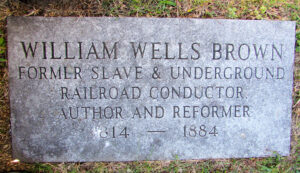
Abolitionist William Wells Brown traveled in the 1800s in support of an immediate end to enslavement and for equal rights for Black Americans brought him around the country, across the Atlantic and ultimately to Cambridge.
Read MoreHistory Cambridge has a new partnership, joining with Slave Legacy History Coalition
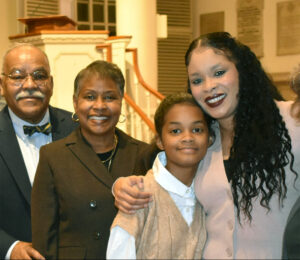
While the Slave Legacy History Coalition applies for its own nonprofit status, History Cambridge expects to act as its fiscal sponsor and provide administrative support.
Read MoreSelf-Guided Tour: The Work of Revolution in Cambridge
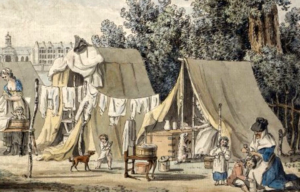
Introduction For many, the first image that comes to mind when thinking of Cambridge during the Revolutionary Era is that of General George Washington taking command of the Continental Army on Cambridge Common in July of 1775, under what would come to be known as the Washington Elm. Although we now know that this tale…
Read MoreCrossing Paths in Cambridge: Harriet Jacobs, Imogen Willis Eddy, and the Harvard College Observatory
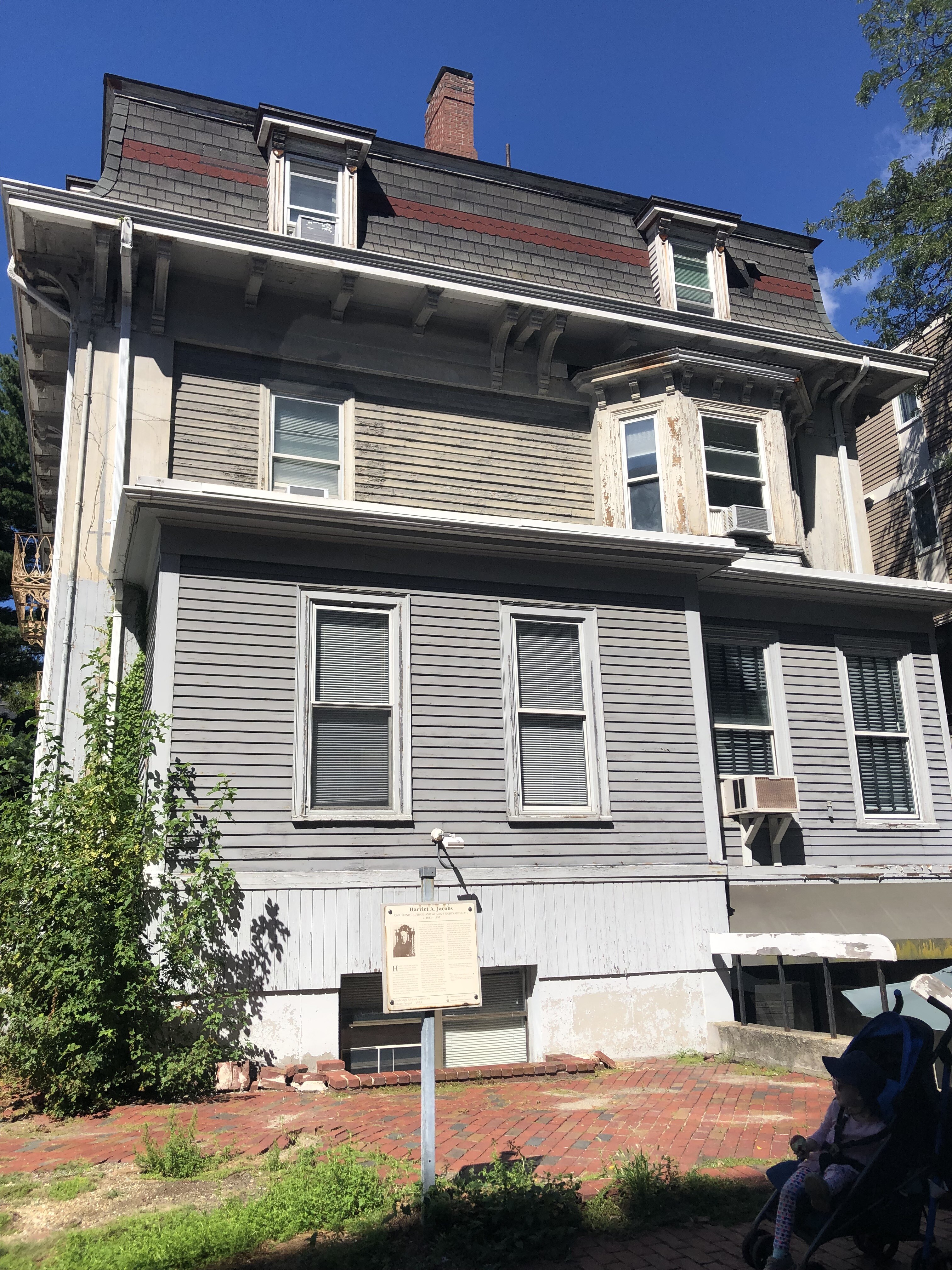
By Paula Tarnapol Whitacre Harriet Jacobs, author of Incidents in the Life of a Slave Girl, lived in Cambridge in the 1870s. As historians have documented (including during a recent History Café presentation), the boarding houses she ran provided a home for Harvard students and faculty, as well as a sense of community for her…
Read MoreBlack History in Cambridge: Online Resources Hub
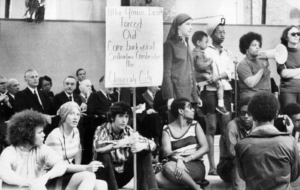
Above Image: Saundra Graham speaks into a megaphone during the occupation of 319th Harvard Commencement June 11, 1970 (Courtesy Cambridge Historical Commission) Delve into these online resources that explore Black history in Cambridge. More programs and events about Cambridge’s Black history are being planned. To be notified, sign up for our monthly enewsletter. Articles Self-Guided…
Read MoreSelf-Guided Tour: Stories from the Early African American Community of Old Cambridge
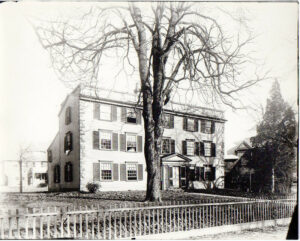
By Jules Long, Longfellow House – Washington’s Headquarters National Historic Site, 2018 | Edited by Eshe Sherley, History Cambridge, 2021 Slavery in Pre-Revolutionary Cambridge The oldest existing mention of slavery in Massachusetts was recorded in 1638, when African prisoners arrived in the colony on the slave ship Desire, built in Marblehead the previous year. In…
Read MoreEarly Black Cambridge Resource Hub
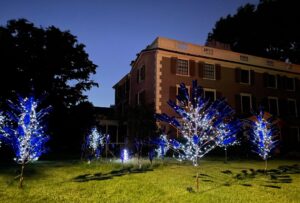
Are you interested in learning more about the history of race, slavery, and African American life in the Cambridge area? This guide highlights many of the resources available that touch on these topics, including primary, secondary, and public-facing sources (such as self-guided tours and websites). While this hub is focused on material related to the 1700s, it also offers relevant material from later periods in Cambridge history.
Read MoreBrief History of the Hooper-Lee-Nichols House and Enslaved People
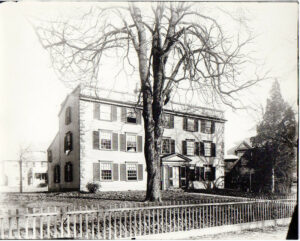
In July 2019, the Cambridge Historical Society formed a task force to examine the Society’s institutional history and make recommendations about how to confront the organization’s white privilege going forward. One of the first steps was to research the history of the Hooper-Lee-Nichols House (HLN) (currently the Society’s headquarters) and its owners. Were the owners…
Read More