Setting up a Neighborhood History Center provided a physical connection with the past
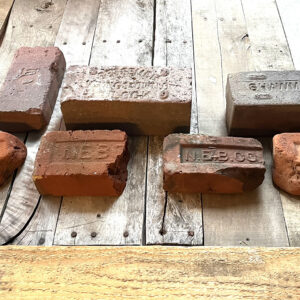
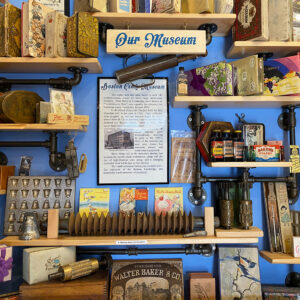
By Beth Folsom, 2024 History Cambridge embarked on a new model of programming in January 2023 centered on the deeper exploration of one city neighborhood each year. Beginning with Cambridgeport and continuing in 2024 with North Cambridge, the Neighborhood History Center model has enabled us to delve more deeply into the people, places and events…
Read MoreIndustrial Age Cambridge supported bicycling, but with the genders and races together? Egads!
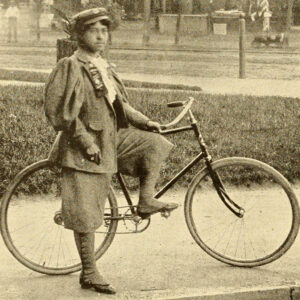
It seems there’s always been reasons for bicycling to be controversial in Cambridge, starting in the late 19th century when cycling gained popularity in Cambridge – and the nation as a whole – as a form of exercise and opportunity for social connection.
Read MoreCelebrations of Washington’s Birthday reflect tangled legacies of immigration, integration
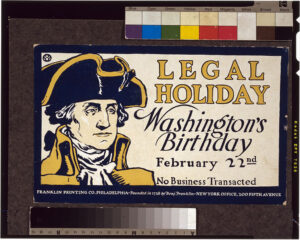
Honoring Washington as a beloved president came to include minstrel shows in the early 1900s. That these performances were by prisoners in prisons playing the role of Washington’s enslaved people adds yet another layer of complexity.
Read MoreYou can treat your Valentine at one of North Cambridge’s historic businesses
American colonists began to mark Valentine’s day in the 18th century by exchanging handmade Valentine cards. Local businesses with significant history can help residents keep celebrating this Valentine’s Day.
Read MoreWhere’s the border? Debate on North Cambridge illustrates many ways to define a neighborhood
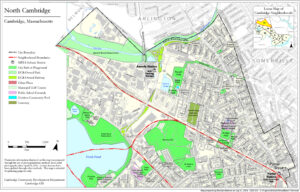
Defining a neighborhood is not as easy as it may seem at first glance. This is proving to be particularly true for the focus for 2024: North Cambridge.
Read MoreReader inquiry about plaque on Fresh Pond rotary rediscovers Teeven, a North Cambridge war hero
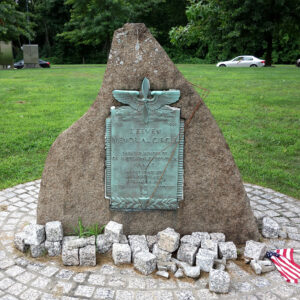
The marker’s location makes an up-close examination difficult, but it draws attention. Then-Boston Herald columnist Steve Buckley was also intrigued by the memorial and ultimately produced a documentary about it: “I’ll Be Seeing You: An American Story of World War II.”
Read MoreSt. John the Evangelist’s embrace of newcomers turned it into a cornerstone of North Cambridge
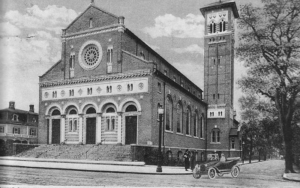
The 19th century need for a parish in North Cambridge was fed by industrial development in clay pits and brickyards and the immigrants who worked in these industries, especially Irish and French Canadian Catholics.
Read MoreHelp History Cambridge and The History Project document the LGBTQ+ experience in Cambridge
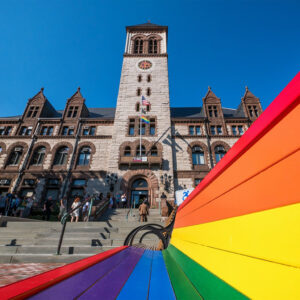
History Cambridge is working to create a “Queer History Hub.” If you are LBGTQ+ or similarly identifying, consider participating and contributing your story.
Read MoreIf you have a New Year’s resolution to research local history, History Cambridge can be of help
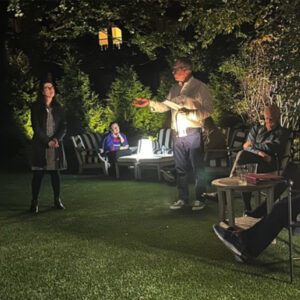
Whatever your interest or motivation about the past, History Cambridge can help you find the resources to conduct your own local history research.
Read MoreA new year, and History Cambridge puts focus onto a new neighborhood: North Cambridge
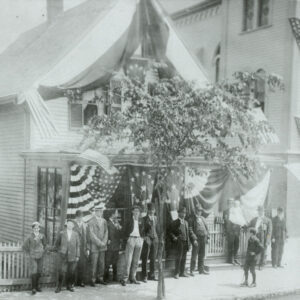
History Cambridge embarked on programming in 2023 that focuses on one of Cambridge’s 13 neighborhoods each year, and for 2024 it’s North Cambridge.
Read More