
Search Results
…references to brick, notably the Tower of Babel. There were also a good many ancient temples that were built of brick. The first recorded example of brickwork comes from the…
Read More…and, 43:164 – Brattle St. as example of, 43:37 (see also Brattle Street [Cambridge]) – brick used in, see Brick and brickmaking – and “building list” (of L. L. Howe),…
Read More
Just how big of a role did brick play in the history of North Cambridge? Join Cambridge resident Josie Kuchta for an exploration of the topic. As a recent Wellesley…
Read More
…bricks on the ground do not make for the best walkways. I have slipped on leaves on brick, and slipped on ice on brick, and sometimes slipped on brick because…
Read More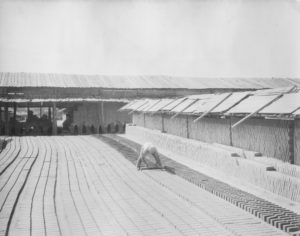
…time – 10,000 years ago when ice left behind vast deposits of clay in North Cambridge, then fast-forwards 9,800 years to the neighborhood’s brickmaking heyday, and the dump left in…
Read More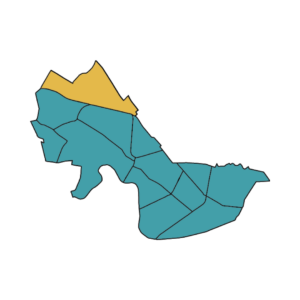
…by World War I, most of the smaller brick companies had been consolidated into the New England Brick Company (or NEBCO for short). Who worked in these claypits and brickyards?…
Read More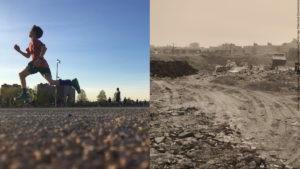
DIY: You can download a PDF of this walking tour here and follow along with Joe Galusha’s audio commentary below: http://historycambridge.org/wp-content/uploads/2017/06/Walking-Tour-Audio.mp3 Thursday, July 13, 2017, 5:30 PM – 8:00 PM…
Read More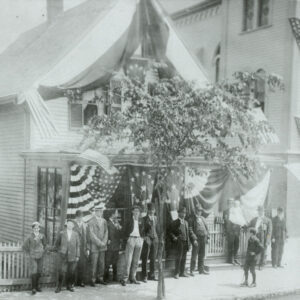
…housing and buildings for the Harvard campus. In 1858, around 187,000 bricks were produced each day in North Cambridge. That’s roughly 24 million bricks in one season! An average-size house…
Read More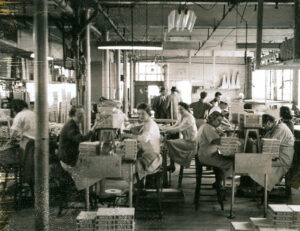
…and the brickyards springing up throughout North Cambridge prospered as they met that demand; by 1858, the neighborhood’s factories were producing approximately 187,000 bricks per day. Beginning in the 1890s…
Read More…remodeled the house in 1916-17. Chandler planned the room to represent the house’s earliest Colonial architecture. He laid down a brick floor when he found original bricks under nineteenth century…
Read More