
Posts Tagged ‘industry’
July 25: Play with Clay at Danehy Park
Thursday, July 251-3 pmDanehy Park (near Sherman Street)Free; no registration requiredAges 3+ North Cambridge was once home to a thriving brickmaking industry. Join us for a family-friendly drop-in event at Danehy Park to learn more about the history and get your hands dirty with clay. Want to learn more about Cambridge’s brick history? Check out…
Read MoreJune 11: Play with Clay on Cambridge Common

Tuesday, June 115-7 pmCambridge CommonFree; no registration requiredAges 3+ Cambridge was once home to a thriving brickmaking industry. Join us for a family-friendly drop-in event on Cambridge Common to learn more about the history and get your hands dirty with clay. Want to learn more about Cambridge’s brick history? Check out these resources on our…
Read MoreSetting up a Neighborhood History Center provided a physical connection with the past
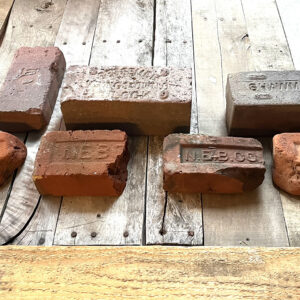
By Beth Folsom, 2024 History Cambridge embarked on a new model of programming in January 2023 centered on the deeper exploration of one city neighborhood each year. Beginning with Cambridgeport and continuing in 2024 with North Cambridge, the Neighborhood History Center model has enabled us to delve more deeply into the people, places and events…
Read MoreThe Pit That Wants to be a Pond: An Industrial and Environmental Tour of North Cambridge
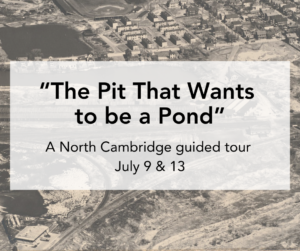
Thanks to everyone who came out to learn more about North Cambridge through an industrial and environmental lens. We were pleased to be joined by Eric Grunebaum to learn more about the history of Jerry’s Pit. We appreciated everyone’s insights and great questions! This tour will explore the development of North Cambridge through the lens…
Read MoreWatershed: An Excursion in Four Parts

by Emily HiestandFirst published by The Georgia Review and Beacon Press in 1998. Updated slightly in 2021 for publication in This Impermanent Earth, and in 2024 for History Cambridge. Part One | Street Like travelers who want to keep some favorite place from being overly discovered, the residents of our neighborhood sometimes confide to one another in a near-whisper, “There’s no…
Read MoreMay 8: Only a Common Piece of Clay: Exploring the Legacy of the Brickmaking Industry in North Cambridge
About the event Wednesday, May 86:30 pmNeighborhood History Center2322 Mass Ave (Next to Frank’s Steak House)Free; donations appreciated Just how big of a role did brick play in the history of North Cambridge? Join Cambridge resident Josie Kuchta for an exploration of the topic. As a recent Wellesley College graduate, Josie has explored architecture through…
Read MoreIndustrial Age Cambridge supported bicycling, but with the genders and races together? Egads!
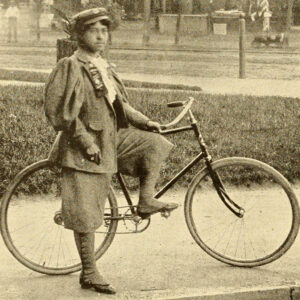
It seems there’s always been reasons for bicycling to be controversial in Cambridge, starting in the late 19th century when cycling gained popularity in Cambridge – and the nation as a whole – as a form of exercise and opportunity for social connection.
Read MoreA new year, and History Cambridge puts focus onto a new neighborhood: North Cambridge
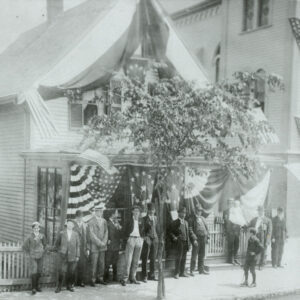
History Cambridge embarked on programming in 2023 that focuses on one of Cambridge’s 13 neighborhoods each year, and for 2024 it’s North Cambridge.
Read MoreNorth Cambridge History Hub
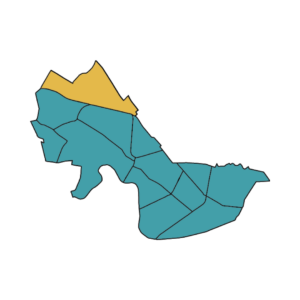
North Cambridge History Hub
Read MoreSummer play with teens set at Foundry of 1911 gave power to workers left out of history books
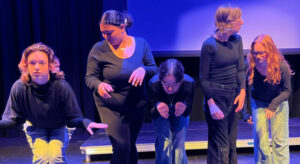
The cast and crew of “We Were Here” saw an opportunity to go beyond the written record to explore the lives and experiences of these women – as workers, but also as mothers, daughters, sisters and friends.
Read More